

In Far North Queensland, it’s easy to think we’ve got more than enough water – but when it comes to treated water that flows through the pipes to our homes, waste still matters.
Leaks are one of the most common causes of unexpectedly high water bills, and often, they’re hidden out of sight.
By checking for leaks, you’re not just avoiding extra costs – you’re helping to reduce unnecessary water loss across the whole system. Clean, safe water takes effort and resources to deliver. Every bit we save helps protect the infrastructure that supplies our communities now and into the future.
Whether you own or rent your home, it only takes a few minutes to check for leaks using your water meter. It’s a simple step that can make a real difference.
Why this matters
Clean, treated water takes time, energy and resources to reach your home. When leaks go unnoticed, they can add up, costing households more money and placing extra strain on Council’s water systems.
Finding and fixing even small leaks helps save water, lower bill and protect our water supply.
How to check for a leak
You don’t need a plumber to do a basic leak check. Learning how to read your water meter is a simple way to track water use and detect issues early. Here’s how to check for a water leak:
- Pick a time when no one is using water – no washing machines, toilets, hoses or taps running
- Note the numbers on your meter (black for kilolitres, red for litres)
- Wait at least 30 minutes, then check the meter again
If the numbers have gone up, water is moving somewhere — even if you can’t see it.
Helpful tip on what the numbers mean
Black numbers = kilolitres (1 kL = 1,000 litres)
Red numbers = litres
What to do if you suspect a leak
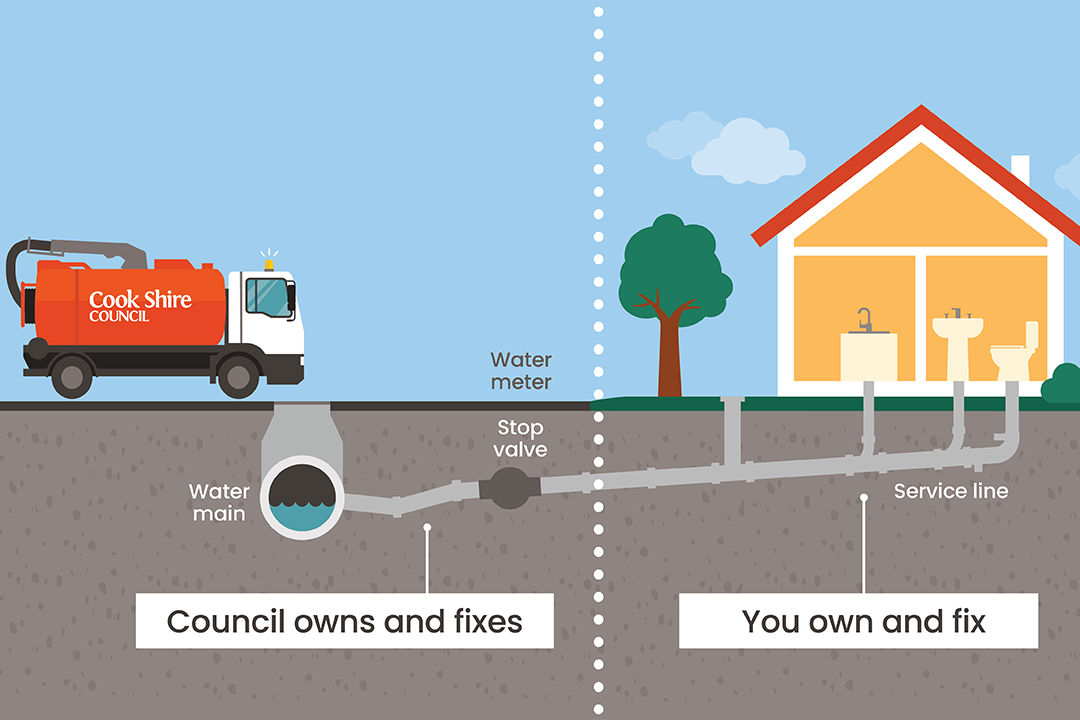
Property owners: If the leak is on your side of the meter (e.g. in pipes, fittings, toilets or irrigation), contact a licensed plumber. If it looks like the issue is with the meter or water supply, call Council on 4082 0500 and our team will inspect it.
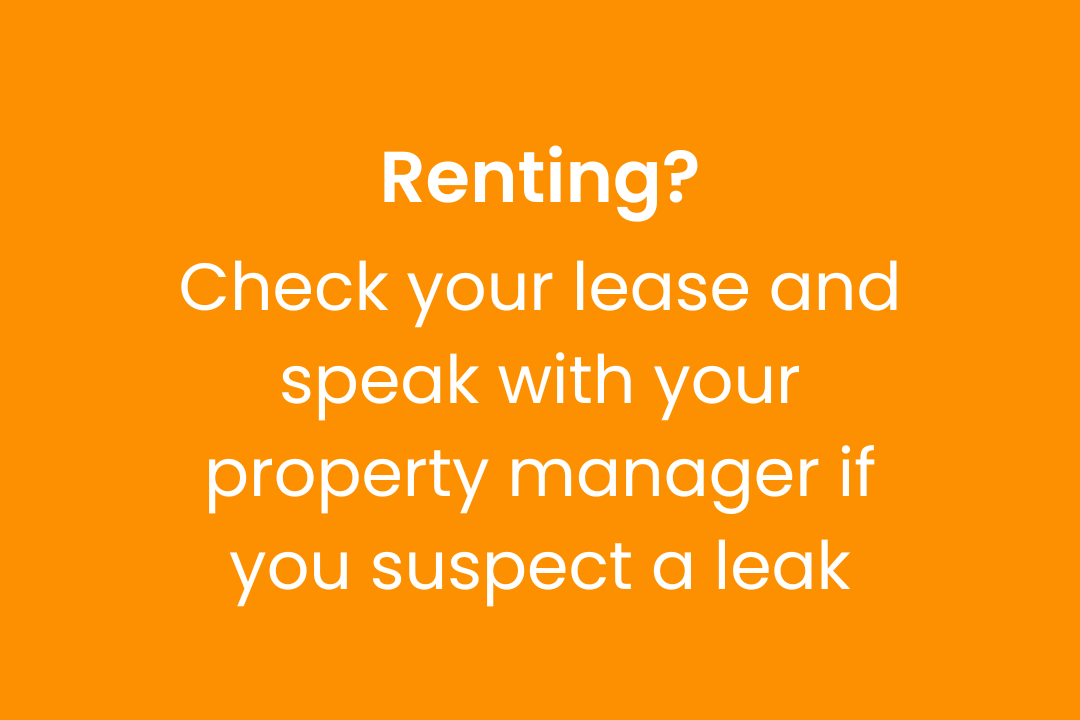
Renters: Check your lease and report the issue to your property manager or landlord. Don’t try to fix the problem yourself.
Community housing tenants: Contact your housing provider for support.
Keep your meter clear and accessible
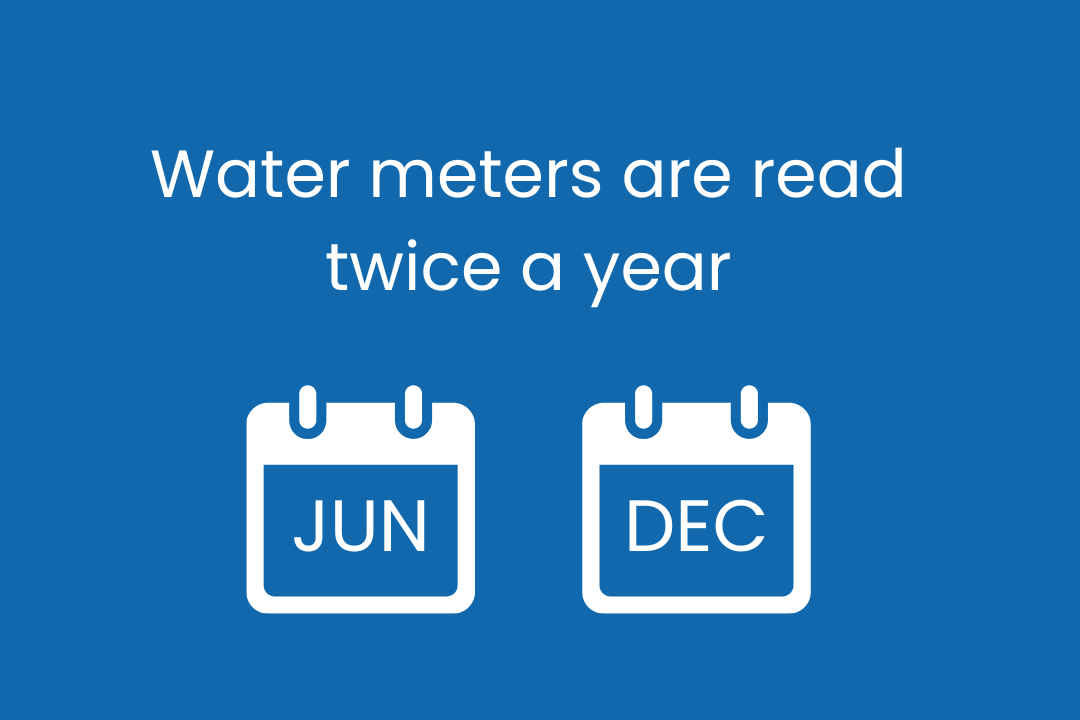
Council employees visit properties in July and December to take water meter readings. These readings help ensure your bill is accurate and reflects actual use, not estimates. Making sure your meter is clear now will help our team take readings quickly and safely.
Please clear away:
- long grass, palm fronds or clippings
- rocks, mulch or garden overgrowth
- anything else that makes it hard to access
And if you have dogs, make sure they’re secured inside your yard. It’s a small job that helps keep everything running smoothly.
Property owners are responsible for all water used through the meter – even if the property is vacant land, a rental, or only occasionally occupied.
How is my water bill calculated?
Your bill includes charges for how much water you’ve used, based on your meter readings, plus other fees like service or access charges. For a full breakdown, check your latest bill or contact Council.
How often does Council read my water meter?
We read water meters twice a year, usually before rates notices are issued in July and December.
Where can I find my water meter?
Most meters are located near the front boundary of your property. If you’re having trouble finding it, give Council a call and we’ll help.
Who’s responsible for fixing leaks?
If the leak is on your side of the meter (such as pipes, taps, toilets, or irrigation), it’s your responsibility. If it’s at the meter or with the main supply, contact Council.
What should I do if my water bill is higher than usual?
Start by checking for leaks using your water meter. If you’re unsure or can’t locate the issue, call a licensed plumber—or contact Council for further advice.
I’m renting—what if there’s a leak?
Let your property manager or landlord know as soon as possible. Renters should not attempt repairs themselves.
What if my meter is damaged or hard to access?
Contact Council on 4082 0500. We’ll arrange for someone to inspect the meter or suggest how to make it more accessible.
Need help?
If you’re not sure where to start, or you’ve spotted something unusual with your meter, we’re here to help. Whether it’s a question about your bill, accessing your meter, or understanding your responsibilities, just reach out.
Call us on 4082 0500
Email mail@cook.qld.gov.au