
Overflow Relief Gullies & Inspection Openings
Have you ever spotted a weird little drain or capped pipe in your yard and thought, “What is that?”
It could be an Overflow Relief Gully (ORG) or an Inspection Opening (IO) — two important plumbing fittings that help prevent sewage from backing up into homes during blockages and wet weather. Understanding how they work can help protect your property and reduce sewer overflows across Cook Shire.
During periods of heavy rain, Cook Shire Council’s sewerage system can experience increased pressure and flow. In some cases, private plumbing issues on residential or commercial properties can unintentionally contribute to sewer overflows and system overload.
Two important plumbing fittings found on many properties are:
- Overflow Relief Gullies (ORGs)
- Inspection Openings (IOs)
Knowing where these fittings are located and ensuring they are correctly maintained can help protect your property and reduce the risk of sewer overflows during wet weather.
What is an Overflow Relief Gully (ORG)?
An Overflow Relief Gully (ORG) is a drain-like fitting installed on private properties and connected to the sewer line.
It is designed as a safety overflow point to help prevent sewage backing up into your home or business.
If the sewer line becomes blocked, the ORG lid or grate is designed to lift (or “pop off”) and allow sewage to overflow outside, instead of inside your building.
What is a ORG
This may seem unpleasant — but it is far safer than sewage entering your bathroom, laundry, kitchen, or internal floor drains.
Why ORGs are important during heavy rain
Heavy rainfall can overload the sewer network, especially when stormwater enters the sewer system through private plumbing faults.
If rainwater enters the sewerage network, it increases flow and pressure, which can lead to:
- sewer surcharging
- sewer overflows in streets or yards
- increased blockages
- higher risk of sewage entering homes
A properly installed ORG helps protect your home by giving sewage a controlled outlet point.
What a correctly installed ORG should look like
To work properly, an ORG must be installed at the correct height and remain accessible.
A correctly installed ORG should:
- sit at least 150mm lower than the lowest plumbing fixture in the home (such as a toilet, basin, shower or floor drain)
- sit at least 75mm above the surrounding ground level to prevent stormwater entering
- be kept clear and uncovered
- allow the cap or grate to lift freely if needed
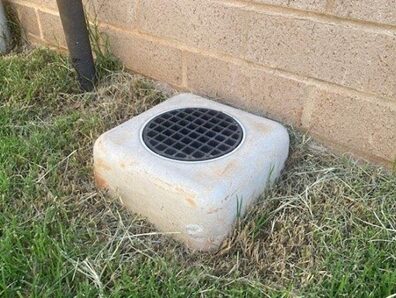
Pictured left: A correctly installed ORG.
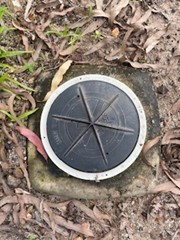
Pictured above: A correctly installed ORG that features a floating cap.
Common ORG problems to check on your property
Your ORG may cause issues if it is:
- allowing stormwater or rainwater into the sewer system
- blocked or buried under landscaping, paving or garden beds
- covered by objects such as pot plants, buckets, dog bowls or other items
- installed at the wrong height or level
- connected to a roof downpipe (this is not permitted)
If your ORG is taking in stormwater, this can contribute to sewer overflows in your neighbourhood.
If you suspect your ORG is faulty or incorrectly installed, contact a licensed plumber.
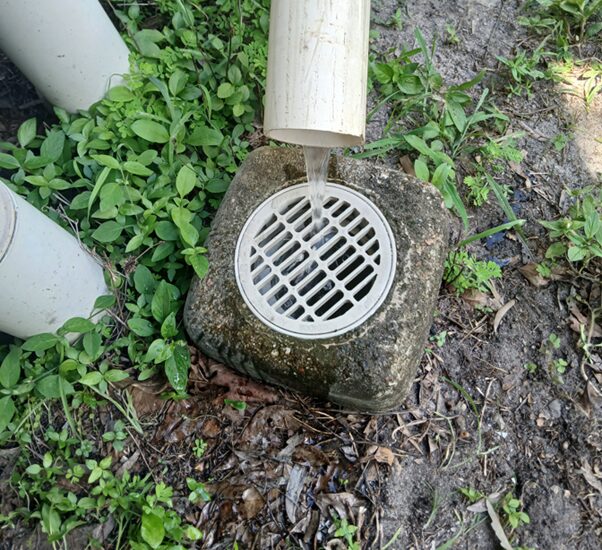
Pictured above: What NOT to do when it comes to Overflow Relief Gullies – allow storm/rainwater in by connecting to a roof downpipe.
What is an Inspection Opening (IO)?
An Inspection Opening (IO) is a capped pipe fitting located on your property, often near the boundary line.
It provides access for inspection and maintenance of the sewer line, including clearing blockages.
Unlike an ORG, an IO is not designed to overflow.
An IO must remain sealed and capped at all times.
Why IO lids matter
A damaged or missing IO lid can allow rainwater to enter the sewer network, which increases pressure and flow during wet weather.
A broken IO lid can also pose safety and hygiene risks.
If your IO lid is broken, cracked or missing, it should be repaired or replaced as soon as possible.
What to do if your IO lid is broken or missing
If you notice that your Inspection Opening (IO) lid is damaged or missing, please report it to Cook Shire Council.
Council may need access to the IO as part of sewer inspections or maintenance work.
What you can do to help protect the sewer system
Cook Shire Council encourages residents and businesses to regularly check their property for plumbing issues, particularly before and during the wet season.
Simple steps you can take:
- locate your ORG and IO on your property
- ensure both fittings are visible and not buried
- keep ORGs clear of garden waste, mulch, soil and debris
- check that IO lids are sealed and not cracked
- ensure no roof downpipes or stormwater drains are connected to sewer fittings
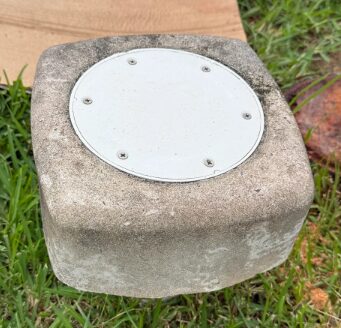
Pictured above: A correctly installed IO with an intact and full sealed lid.
So…. who is responsible for what?
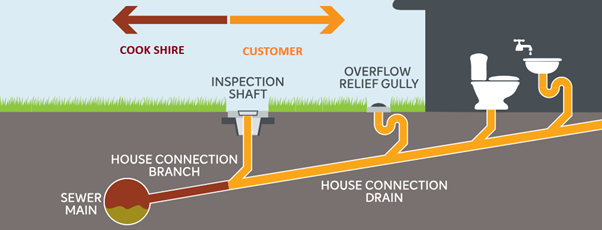
In most cases:
- Council is responsible for maintaining the sewer main and sewer infrastructure outside your property boundary
- Property owners are responsible for plumbing and fittings within their property boundary, including ORGs and IOs
If repairs are required, property owners should contact a licensed plumber.
Need help or want to report an issue?
If you have concerns about sewer overflows, missing lids, or wastewater issues, please contact Cook Shire Council:
📞 Phone: (07) 4082 0500
📧 Email: mail@cook.qld.gov.au