
A guide to checking river crossings across Cook Shire
With wet weather affecting parts of the region, many residents and travellers rely on river gauge data to monitor crossing conditions.
The Bureau of Meteorology (BOM) provides real-time river height information across the Gulf, Cape and Cooktown areas. Understanding how to read these graphs can help you make safer travel decisions.
Step 1: Find Your River
Gulf & Cape Rivers
To check river heights across the Gulf and Cape, visit:
👉 Latest River Heights for the Gulf & Cape Rivers
On this page, you will see a table listing multiple river gauge stations, including:
- McLeod River
- Archer River
- Coen River
- Wenlock River
- Bushy Creek
- Mitchell River
- Walsh River
- As well as many others
Scroll down the table to locate the river crossing you are looking for.
Next to each station name, click “Plot” to open the river height graph for that location.
Cooktown Crossings
To check river heights across Herbert, Tully, Johnstone, Mulgrave/Russell, Barron & Daintree Rivers (which includes several Cooktown crossings), visit:
👉 Latest River Height –Herbert; Tully; Johnstone; Mulgrave/Russell.Barron; Daintree River
On this page you will see a table listing multiple river guague stations including:
- Little Annan on Mulligan Highway
- Endeavour Valley Road at Oakey Creek Causeway
- Flaggy Creek
Step 2: How to read the river height graph
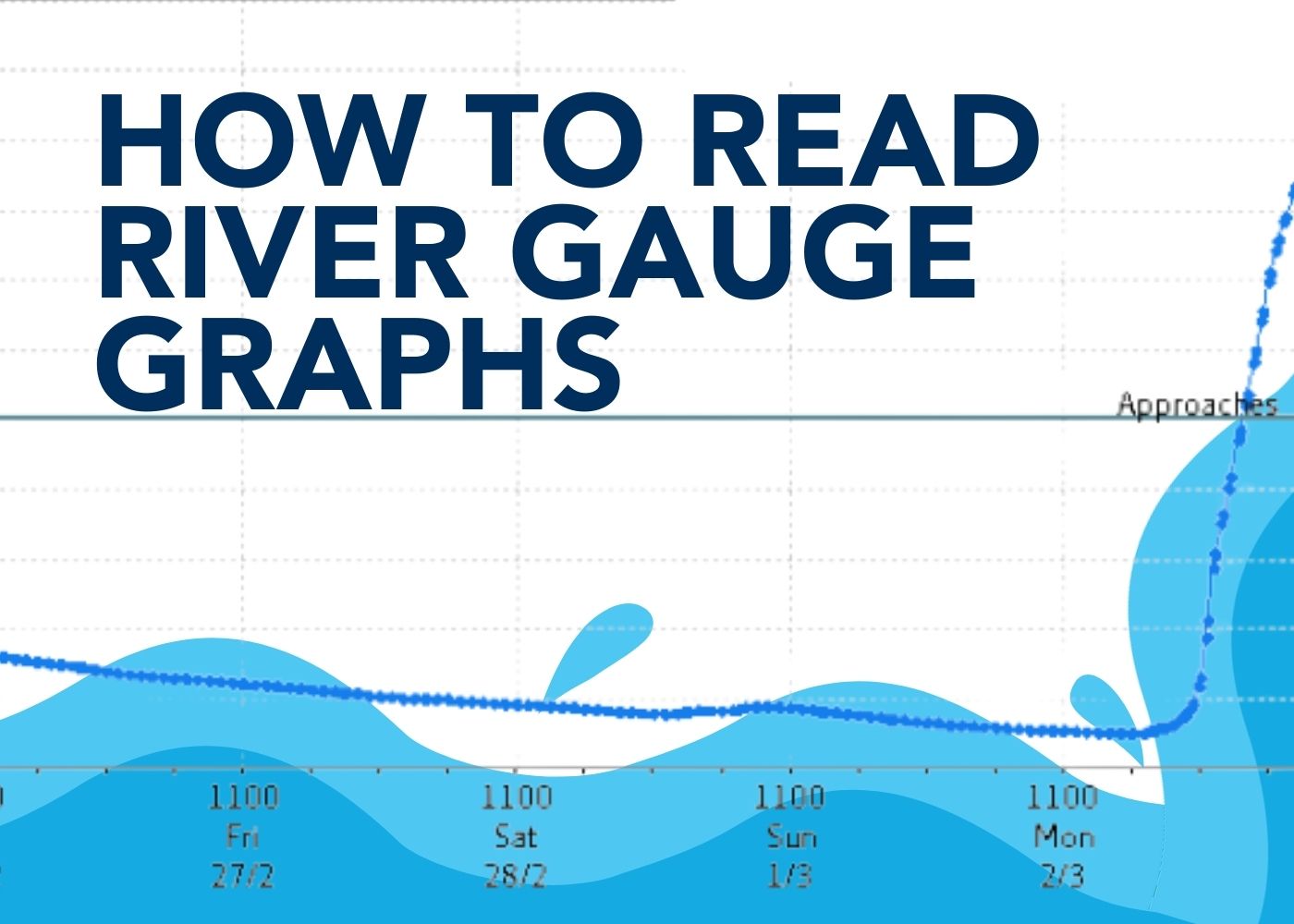
🔵 Blue Line – Current River Level
The blue line shows the actual measured water level at that gauge.
- If the blue line is rising, the river is rising.
- If it is falling, the river level is dropping.
Graphs update regularly during rainfall and flood events.
⚠️ Flood Level Markers (Where Available)
Some (not all) graphs include horizontal reference lines labelled:
- Approaches
- Minor
- Moderate
- Major
These markers indicate increasing levels of impact.
- When the blue line rises above “Approaches,” the river is typically at or over the road surface at that crossing.
- Minor, Moderate and Major levels indicate broader flood impacts to roads or surrounding areas.
Please note: Not all gauge stations display an “Approaches” line. Some may only show Minor, Moderate or Major levels, and some may not display impact levels at all.
Each crossing is different and conditions can change quickly. Always allow a safety margin.
Step 3: Always travel safely
- Never drive through floodwater.
- Road surfaces may be damaged or unstable beneath the water.
- River levels can rise rapidly upstream.
Before travelling, always check official road condition updates via Queensland Traffic and relevant authorities
Further Information
For more detailed technical information about how BOM river data and flood categories are determined, visit: https://www.bom.gov.au/australia/flood/additional_notes.shtml#series