
RECYCLING IN COOK SHIRE
In Cook Shire, you can recycle a wide range of materials, helping to protect our environment and reduce landfill waste.
Whilst some of the waste streams below are subject to product stewardship schemes and can be disposed of for free, others must be transported to Cairns for decommissioning and recycling.
What can I recycle?
You might be surprised by just how many everyday items can be recycled or safely disposed of at Cook Shire’s Waste Transfer Stations.
From cooking oil and scrap metal to old batteries, mobile phones and televisions, recycling helps recover valuable materials, reduces waste sent to landfill and protects our environment for future generations.
The following items are accepted for recycling or specialist disposal at Cook Shire facilities:
- Cooking oil*
- Waste engine oil*
- Concrete
- Green waste
- Scrap metal, including whitegoods
- Fridges, freezers and air conditioners (including refrigerant gas)*
- Tyres*
- Lead acid batteries*
- Household batteries and power tool batteries
- Unprocessed (raw) timber
- E-waste, including televisions, computers and accessories
- Gas bottles*
- Fire extinguishers*
- Mobile phones
- Printer cartridges
- Fluorescent tubes and bulbs*
- Eligible beverage containers displaying the 10¢ refund mark (wine and pure spirit bottles are exempt until January 2027)
*Some materials require specialist handling, decommissioning, processing and/or transport to comply with legislative requirements.
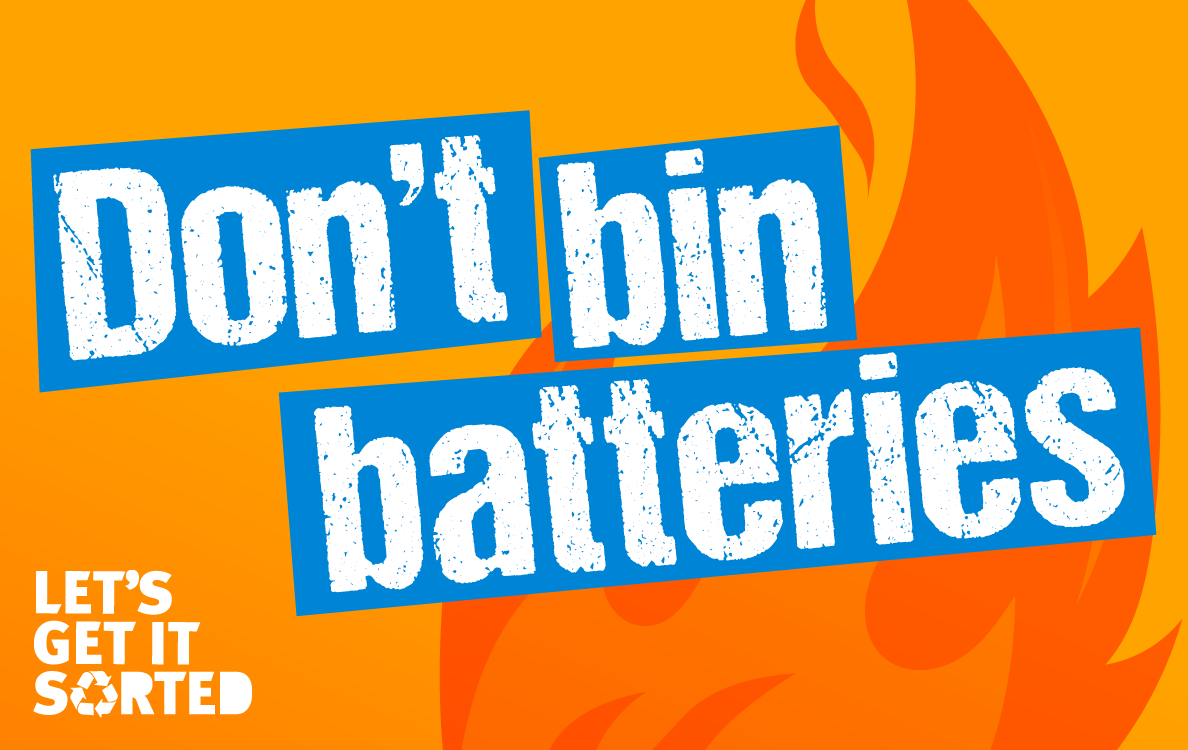
Don’t Bin Batteries
Batteries in bins can cause fires
Never place batteries or battery-powered items in your household rubbish or recycling bin.
When batteries are crushed or punctured in collection trucks or at waste facilities, they can spark and start fires, putting waste workers, infrastructure and essential services at risk.
The good news is that recycling batteries is easy. With support from the Queensland Government’s Far North Queensland Regional Battery Collection Program, new battery collection bins are now in place at all Waste Transfer Stations across Cook Shire, making it easier for residents to do the right thing and keep batteries out of household bins.
Help protect our community, our environment and our waste facilities by recycling your batteries the right way.
This initiative is proudly supported by the Queensland Government through the Far North Queensland Regional Battery Collection Program.
GOT MORE QUESTIONS ABOUT RECYCLING?
Don’t worry, we got you… check out our list of general recycling and battery recycling FAQs below.
General Recycling FAQs
Where Can I Recycle Packaging Materials?
Packaging materials for recycling refer to various materials used to enclose, protect, and present products during storage, transportation, and sale, which are then collected and processed for reuse or reprocessing into new products. Common packaging materials that can be recycled include:
- Cardboard and Paperboard: Used for boxes, cartons, and packaging inserts. These materials are typically made from recycled paper fibres and can be easily recycled into new paper products.
- Plastic: Includes types such as PET (polyethylene terephthalate, used in water and soft drink bottles), HDPE (high-density polyethylene, used in milk bottles, shampoo bottles etc) or PP (polypropylene, used in yogurt containers, cordial bottles). No styrofoam or soft plastics can be recycled.
- Glass: Often used for bottles and jars.
- Metal: Includes aluminium (used in beverage cans), steel (used in food cans and aerosol cans), and other metals used in packaging. Metals are highly valuable for recycling as they can be melted down and reused without losing quality.
Recycling skip bins provide a free, convenient way to dispose of your mixed packaging (plastic containers, metal containers, cardboard, and paper) at any time. All packaging materials must be clean and placed loose into the recycling bins.
Currently, all packaging is sent to the landfill. However, Council strongly encourages residents to maintain their recycling efforts. Efforts are underway to find a sustainable solution for managing all our packaging waste, and Council remains proactive in this regard. As an incentive for responsible recycling practices, subsidised disposal fees are offered to residents who adhere to proper recycling guidelines.
Where are the recycling skip bins located?
- Cooktown Events Centre, 3 May Street, Cooktown
- Behind Council Office, Walker Street, Cooktown
- Hatfield Marketplace, Rossville / Bloomfield Road, Rossville
- Next to Ayton Library, West Street, Ayton
Littering and illegal dumping is against the law and comes at a significant cost to the community. Leaving your rubbish or recyclables next to overflowing bins is littering. If the bins are full, take your rubbish to the waste transfer station or home.
Where does my recycling go?
Refundable Containers: Recovered and transferred to the local container exchange depot.
Cooking oil: Recycled into biodiesel
Waste engine oil: Purified and reused as diesel or alternative fuel
Concrete: Crushed for reusable grade product (various grades of crusher dust)
Green waste: Mulched
Scrap metal: Reprocessed into steel
Whitegoods: Gas recovered and recycled; remainder used for scrap metal
Tyres: Recycled into roads, playground mats, glues, and explosives
Lead acid batteries: Lead and acid extracted and reused
Unprocessed timber: Mulched
Gas bottles: Valves removed and used as scrap metal
Mobile phones, e-waste, printer cartridges, and fluorescent tubes: Disassembled and sorted into metals, plastics, and glass for recycling
Mixed packaging (paper, cardboard, plastics and glass) is currently sent to the landfill. Council is actively seeking a sustainable and environmentally friendly solution.
How much does it cost to recycle?
We welcome small volumes of clean mixed packaging be deposited free of charge into our recycling skip bins. For larger quantities of recyclable packaging, residents can deliver them to our waste transfer stations. Subsidized disposal fees for volumes over 500L apply to encourage responsible recycling practices.
Disposal of scrap metal is free of charge, except for items that contain gas, refrigerant gas, or other potentially harmful waste, such as fire extinguishers.
Green waste is accepted at a subsidised rate for mulching. Please be mindful that green waste is garden waste only.
The following items can be disposed of free at any of our waste transfer stations. Disposal fees are incorporated into the purchase price of the items, this subsidises the disposal costs:
- Printer cartridges (Planet Ark Close the Loop Program)
- Household batteries (EcoCycle)
- Mobile phones and accessories (MobileMuster)
- Electronic waste such as TVs, computers, laptops, printers and accessories (E-Waste Recycling Australia under the National Television and Computer Recycling Scheme)
What if I'm not sure where something belongs?
If you’re unsure whether an item can be recycled, or where it should go, use Recycle Mate or contact Cook Shire Council for advice before disposing of it.
what is recycle mate?

Recycle Mate is a free online tool and mobile app that takes the guesswork out of recycling.
Simply search for an item, scan its barcode or take a photo, and Recycle Mate will tell you the best way to recycle or dispose of it based on your location. It can also help you find nearby recycling and safe disposal drop-off points for items that can’t go in your household bins.
Recycle Mate can help you:
- Find out which bin an item belongs in.
- Search for over 30,000 everyday household items.
- Locate nearby recycling and safe disposal facilities.
- Access recycling advice that’s tailored to your local area.
Visit: https://recyclemate.com.au
Battery recycling FAQs
Why do batteries need to be recycled separately?
Batteries can be damaged when collected or processed, potentially causing fires in collection trucks, waste facilities and recycling centres. Recycling batteries separately helps protect workers, infrastructure and the community.
What types of batteries can I recycle?
Cook Shire accepts most common household batteries, including:
- AA, AAA, C, D and 9V batteries
- Rechargeable batteries
- Button batteries
- Power tool batteries
Some battery-powered products, such as mobile phones, laptops, vapes and other electronic devices, may have different recycling options.
Where can I recycle household batteries?
Household batteries can be dropped off free of charge at:
- Cooktown Waste Transfer Station
- Ayton Waste Transfer Station
- Lakeland Waste Transfer Station
- Laura Waste Transfer Station
You can also recycle many household batteries at participating retailers and supermarkets across Australia.
Do I need to tape the terminals?
Yes. If possible, place a small piece of clear sticky tape over the terminals of lithium, rechargeable, 9V and button batteries before recycling them. This helps prevent accidental sparks during storage and transport.
Can I recycle battery-powered items?
Many battery-powered items, including mobile phones, power tools and small electronics, can also be recycled. If you’re unsure, use Recycle Mate to find the correct recycling option.
What happens to my old batteries?
Batteries contain valuable materials such as lithium, nickel, cobalt and other metals that can be recovered and used to manufacture new products, helping reduce waste and conserve natural resources.